How Modern Temporary Floating Roof Support Changes Tank Maintenance

How Modern Temporary Floating Roof Support Changes Tank Maintenance
 

How Modern Temporary Floating Roof Support Changes Tank Maintenance

Tank maintenance is never easy. Crews spend long hours inside storage tanks during cleaning, inspection, and repair work. Most of that work happens under a floating roof. Because of that, safe and efficient roof support is vital during the entire project.

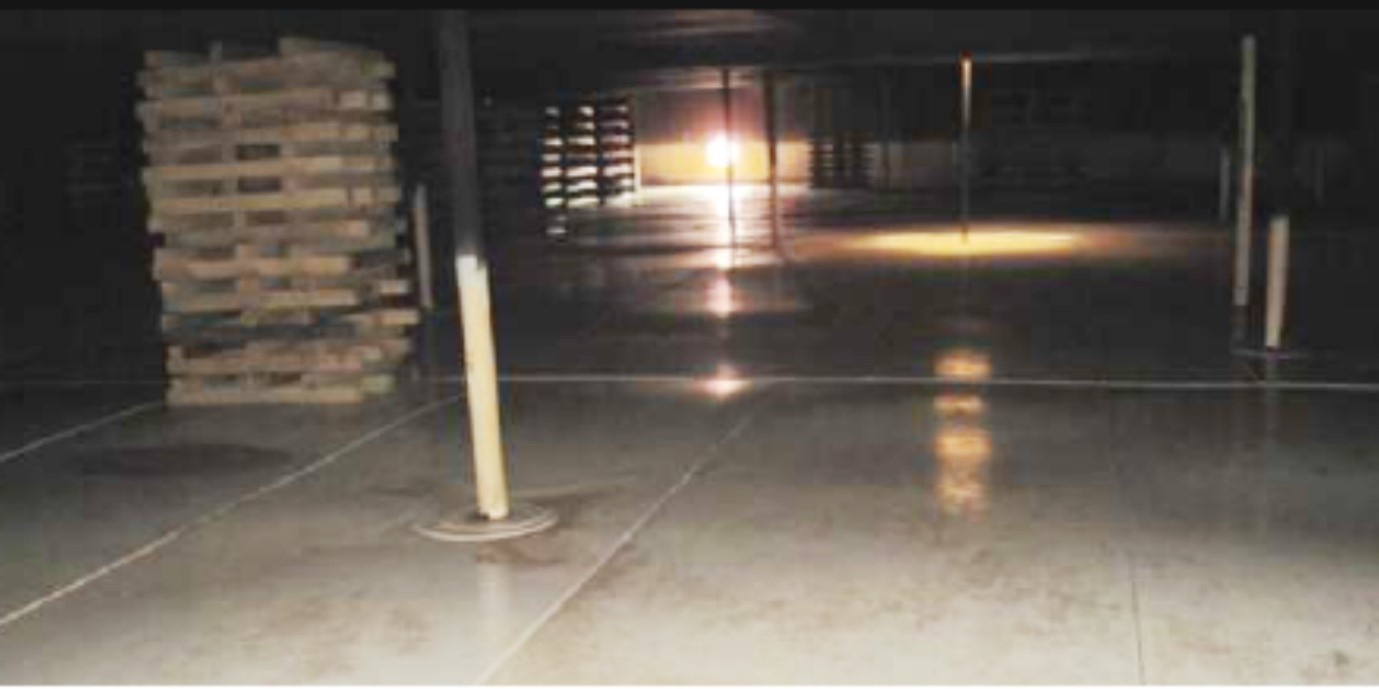
Years ago, many maintenance crews used wood cribbing to support floating roofs. Workers had to stack wood pieces and move them again and again during the job. That process wasted hours of valuable time and created extra labor costs inside the tank.

Today, many facilities use modern temporary floating roof support systems because they help crews work safer and faster. Modern support systems drastically reduce project delays during shutdown projects, directly cutting down tank downtime and protecting the facility’s bottom line.

Tank Maintenance Has Changed

Storage tanks face damage over time. Rust, corrosion, and worn surfaces can create problems after years of use. Regular maintenance helps crews repair those areas before the damage becomes worse.

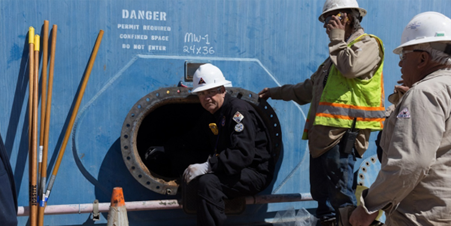
Maintenance work usually takes place inside confined spaces. Workers carry tools, hoses, and repair equipment inside the tank during the project. That work becomes harder and much more expensive if the roof does not stay stable.

Older support methods often slowed the project because crews spent too much time adjusting support materials. Workers had to stop the job many times just to rebuild support stacks, lengthening the overall timeline and delaying when the tank could return to generating revenue. Modern systems help remove that problem, letting crews focus directly on inspections and repairs.

The Problem With Old Support Methods

Traditional roof support methods created many problems during maintenance work. Wood cribbing required constant adjustment, meaning workers had to lift heavy materials and rebuild support stacks many times throughout the day.

That process created several major bottlenecks:

  • Slow setup times that dragged out the project timeline
  • Extra manual labor that inflated total project costs
  • Worker fatigue and crowded work areas
  • Extended tank downtime, keeping the asset offline for too long
  • Loss of daily storage revenue while the tank sat empty and unproductive

Long shutdown projects became even harder because crews lost valuable time handling support materials. Facilities faced higher labor costs and steeper revenue losses because workers spent unnecessary hours inside the tank.

Why Roof Stability Matters

Roof stability is important during every stage of tank maintenance. Workers need a safe area while performing inspections and repairs, and inspectors need clear access inside the tank so they can check damaged surfaces and welds.

A stable roof helps create safer working conditions, which directly translates to saving time. Poor roof support can slow the project, create stress for crews, and cause costly delays. Good support systems help workers stay focused on the job, allowing supervisors to manage the project more smoothly and keep the schedule on track.

Safer Work for Tank Crews

Safety is one of the biggest reasons facilities now use modern support systems. Older methods required workers to lift and move support materials many times during the project, creating extra strain during long shifts.

Modern systems reduce much of that manual work. Workers spend less time moving heavy materials and more time completing inspections and repairs. This change helps reduce fatigue and minimizes the risk of costly workplace injuries.

Furthermore, modern systems help create cleaner, more organized work areas. Workers and rescue teams benefit from better access, which streamlines operations and cuts down on wasted hours inside the tank.

Faster Projects and Saved Tank Downtime

Every facility wants tanks returned to service as quickly as possible. Long shutdown periods directly affect operations and increase overhead. Older support methods often slowed projects because crews spent too much time adjusting cribbing during the work.

Modern support systems are designed to maximize time savings. Crews can begin inspection and repair work faster because setup takes a fraction of the time. Easier adjustments also help the project continue without constant interruptions. As a result, facilities drastically reduce tank downtime, allowing the asset to get back to operational status much sooner.

Protecting Daily Storage Revenue

When an industrial storage tank is offline, it isn’t just a maintenance expense—it is a major source of lost income. Every day a tank sits empty represents a substantial loss of daily storage revenue.

Financial Impact: Traditional maintenance methods can extend a shutdown by days or even weeks. By utilizing modern engineered roof supports, facilities accelerate the turnaround schedule.

Saving days on the project timeline means stopping the bleeding of lost revenue, allowing the facility to resume storing product and fulfilling contracts without prolonged interruptions.

Better Access During Inspection

Good inspection work depends on clear access inside the tank. Inspectors need enough space to move safely while checking surfaces, welds, and damaged areas.

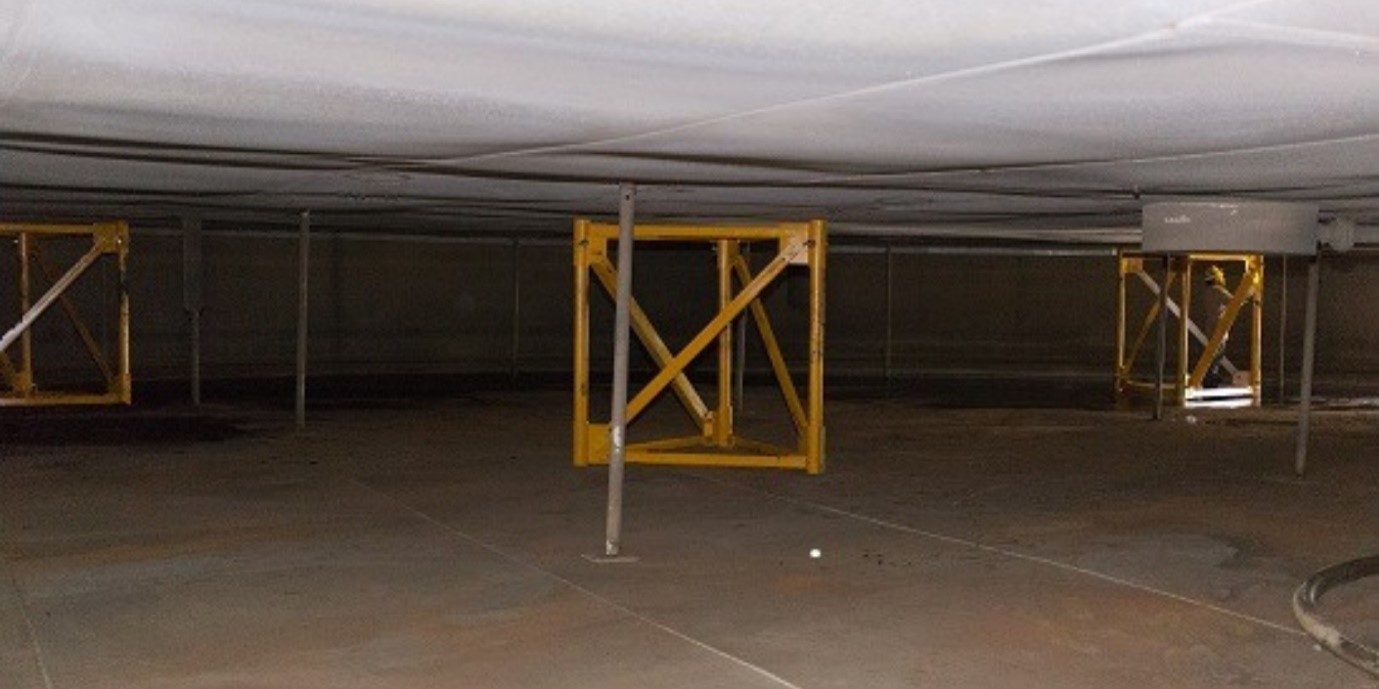
Modern support systems improve access throughout the tank interior by eliminating bulky wood stacks. Because the work area stays clean and organized, inspectors can reach difficult areas faster. Better access leads to faster, more accurate inspection results. Crews can identify problems early, complete repairs efficiently, and avoid the unexpected timeline extensions that drive up costs.

Less Labor and Reduced Project Costs

Tank maintenance already requires hard physical work. Older support methods added an unnecessary labor burden because workers had to move and rebuild support stacks throughout the project.

Modern systems help eliminate this waste, resulting in direct financial savings:

  • Fewer Man-Hours: Less time spent adjusting supports means fewer billable hours on the project.
  • Optimized Labor: Crews focus 100% of their energy on actual repair and inspection work.
  • Lower Overall Budget: Shorter project durations mean reduced contractor expenses and lower overall project costs for the facility.

Why Facilities Use Modern Systems

Many facilities now prefer modern roof support systems because they improve both safety and bottom-line efficiency.

Modern systems help provide:

  • Significant time savings during setup and tear-down
  • Substantial cost savings by reducing manual labor demands
  • Minimized tank downtime to keep operations moving
  • Protection of daily storage revenue through faster turnaround times
  • Better access during inspections and more organized work areas

Facilities want maintenance projects completed safely, on time, and within budget. Modern support systems help crews meet those financial and operational goals more easily.

The Future of Tank Maintenance

The tank maintenance industry continues to evolve as facilities put a sharper focus on economic efficiency and safety. While older methods still appear on some projects, operators are rapidly shifting toward engineered systems because they prevent costly project delays, save money, and improve working conditions.

The future belongs to systems that optimize project speed while protecting the workforce, helping facilities secure their daily revenue streams through smarter maintenance operations.

Final Thoughts

Tank maintenance requires safe working conditions, stable roof support, and careful planning. Older support methods often create extra labor, longer downtime, and a loss of daily storage revenue. Modern systems help crews work more safely while improving inspection access, saving time, and drastically reducing project costs.

At Delta P Technology, we provide advanced roof stabilization systems designed to support safer, faster, and more cost-effective maintenance operations. Our solutions help crews reduce manual labor, minimize tank downtime, and protect daily storage revenue using dependable Temporary floating roof supports built for demanding industrial work.

Frequently Asked Questions

  1. How do old roof support methods increase tank downtime?

Older methods require repeated lifting and rebuilding of cribbing during the project. This repetitive process wastes valuable hours, extending the total time the tank must remain offline.

  1. In what ways do modern support systems offer cost savings?

They dramatically reduce the manual labor hours required to manage the roof support. Fewer man-hours mean lower labor costs and reduced contractor expenses for the facility.

  1. How does modern roof support protect daily storage revenue?

By speeding up the setup, inspection, and repair phases, modern systems get the tank back into service faster. This minimizes the period where the tank is offline, protecting the facility from losing daily storage revenue.

  1. Why is roof stability important for saving time during inspections?

A stable roof ensures inspectors can move safely and without interruption. It provides better access to tank surfaces, allowing crews to find and repair problems quickly without delaying the project.

  1. Why are more facilities investing in engineered roof support systems?

Facilities use them to achieve a faster project turnaround, minimize tank downtime, cut labor costs, and prevent the revenue losses associated with traditional, slower maintenance methods.
Why Refineries Are Moving to Tank Cribbing Rentals

Why Refineries Are Moving to Tank Cribbing Rentals

Why Refineries Are Moving to Tank Cribbing Rentals

Why Tank Work Is Changing

Refinery maintenance work is operating under unprecedented pressure. Shutdown schedules are tighter, environmental regulations are stricter, and safety rules are non-negotiable. Because of this, companies are abandoning outdated methods to support floating roofs (FR) during tank work.

Legacy cribbing methods slow down jobs, increase worker exposure, and directly drag down a refinery’s bottom line. Modern operators demand systems that optimize safety, slash project timelines, and maximize asset availability.

The Financial and Environmental Cost of Tank Downtime

When a storage tank goes offline for an API 653 inspection, the financial bleeding begins immediately. Tank downtime results in a massive loss of daily storage revenue and disrupts refinery logistics.

Furthermore, prolonged maintenance increases the environmental footprint of the operation. Extended cleaning cycles, prolonged degassing, and repeated tank disruptions increase volatile organic compound (VOC) exposure risks and waste management burdens. Minimizing time-to-completion isn’t just a scheduling goal; it is an environmental and financial necessity.

The Hidden Perils of Legacy Cribbing & “Imposter” Systems

Traditional wood cribbing has been a staple for decades, but its systemic liabilities are now fully exposed.

  • The Timber Problem: Wood stacks are structurally unstable, prone to being knocked over, and require workers to constantly build, dismantle, and re-stack heavy timbers inside confined spaces.
  • The “Imposter” Scaffolding Risk: Some facilities have turned to lightweight modular scaffolding systems (such as “Doka” systems) as an alternative. These systems are imposters. They are fundamentally not designed or engineered to handle the severe lateral rotational movements inherent to a failing or shifting floating roof.

When a floating roof shifts, these unproven methods buckle, putting human lives at catastrophic risk.

How Delta P Technology Saves 15–18 Days per Inspection

Time is money, and Delta P Technology drastically optimizes both.

The Metric That Matters: Utilizing Delta P Cribbing Towers saves an average of 15 to 18 days per typical API 653 Inspection.

Where Do the Savings Come From?

  • Rapid Relocation: Instead of wasting hundreds of man-hours re-stacking timber blocks 10 to 15 times during a single project, Delta P systems are engineered for rapid, mechanical relocation.
  • Compounding Financial ROI: By cutting more than two weeks off the project timeline, refineries completely mitigate massive daily storage revenue losses.
  • Reduced Labor and Down-Time: Crews spend less time handling cribbing and more time doing actual mechanical repairs, drastically shortening the asset’s total downtime.

Real-World Proof: 43 Lives Saved by Delta P

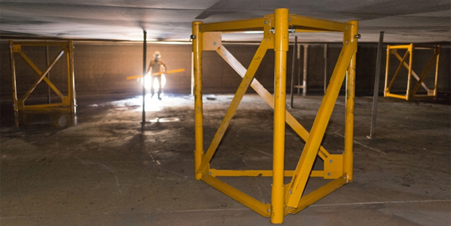
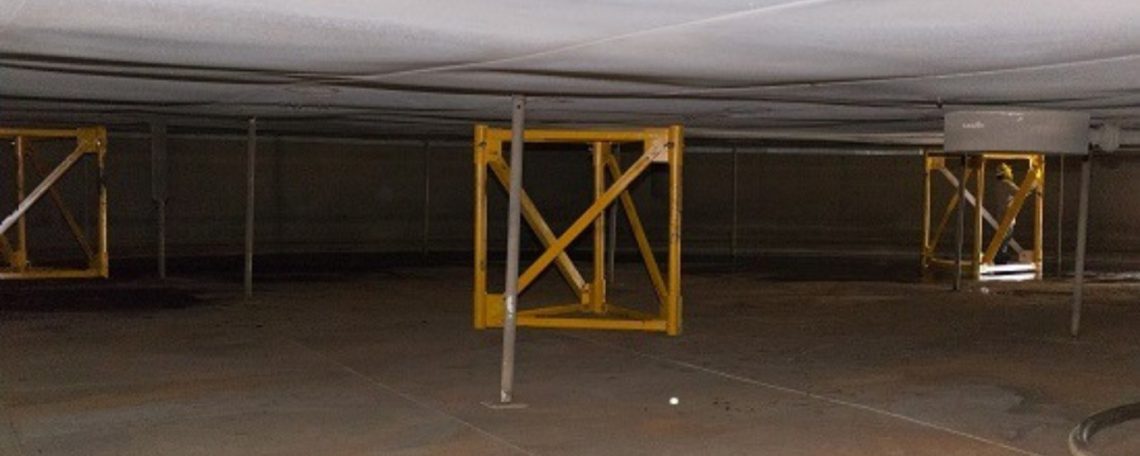
Delta P cribbing towers are proven never to fail. While other materials crush or tip, Delta P towers are engineered to withstand worst-case structural failures and lateral rotational floating roof movements.

To date, there have been eight recorded floating roof failures where Delta P towers and entrants were inside the tank.

43 People Are Alive Today Because of Delta P

Every single one of those 43 entrants walked out of those collapsed tanks safe and sound. Their firsthand accounts of the incidents all share the exact same terrifying, yet triumphant, claim:

  • As soon as the floating roof began its violent lateral rotation, the workers ran to the closest Delta P Cribbing Tower and crawled inside the structure.
  • They watched the massive steel roof collapse perfectly onto the rigid Delta P towers.
  • The towers held the entire weight of the failed roof, maintaining structural integrity and creating a literal safe haven.
  • Once the movement stopped, every worker walked out completely unharmed.

Why Rental Systems Are Growing Fast

Refinery operators are moving away from purchasing and storing bulkier support equipment. Rental systems offer ultimate flexibility and ensure that certified, perfectly maintained, high-performance equipment arrives exactly when a shutdown begins.

When evaluating the true cost of a shutdown, modern procurement teams look past the upfront equipment price. They calculate total labor hours, project delays, environmental impact, and worker safety risks. When factoring in the 15–18 days of restored storage revenue, Delta P rentals offer an unmatched return on investment.

FAQs

1. How exactly does Delta P save 15–18 days during an inspection?

Traditional crews must manually tear down and re-stack heavy wood timbers 10 to 15 times as work progresses. Delta P towers are designed for rapid relocation, eliminating hundreds of hours of redundant labor and keeping the API 653 inspection moving seamlessly.

2. Why is scaffolding like “Doka” unsafe for floating roof support?

Generic scaffolding systems are designed for vertical construction loads, not the unpredictable lateral and rotational forces of a shifting floating roof. They lack the engineering required to prevent a twisting roof from collapsing them.

3. What is the financial benefit of switching to Delta P?

By returning a tank to service 15 to 18 days faster, refineries prevent the loss of substantial daily storage revenue and avoid the massive labor costs associated with prolonged shutdown timelines.

4. What is the environmental advantage of this system?

Shorter project timelines mean reduced tank open-time, shorter degassing periods, and lower overall VOC emissions, helping refineries meet strict environmental compliance targets.

5. Has the Delta P system actually been tested in a real collapse?

Yes. In eight distinct floating roof failures, Delta P towers successfully caught and held the collapsing roof. Because of the engineering of these towers, 43 workers survived those structural failures without a single casualty.

Final Thoughts

Refinery maintenance cannot rely on legacy habits when millions of dollars and human lives are on the line. Wood timbers and unproven scaffolding imposters represent an unacceptable risk to safety, timelines, and revenue.

At Delta P Technology, we engineer certainty into refinery shutdowns. By safeguarding workers against catastrophic lateral roof failures and slashing tank downtime by up to 18 days, we ensure your refinery stays profitable, compliant, and-above all-safe.

The Reason Facilities Choose Industrial Cribbing Solutions

The Reason Facilities Choose Industrial Cribbing Solutions

The Reason Facilities Choose Industrial Cribbing Solutions

The way companies handle tank maintenance is going through a massive change. For decades, crews relied on big piles of heavy wood blocks to keep floating roofs steady during inspections. This old-fashioned approach forces teams to build large wood stacks by hand, creating an unsteady environment inside a tight space. Today, safety managers realize that relying on basic lumber creates major risks for their budgets and their people. Upgrading to engineered industrial cribbing solutions is quickly becoming the new standard for facilities that want to remove guesswork and replace it with true safety.

The High Cost of Old Wood Blocks

Why are companies moving away from traditional wood stacking so quickly? The reason comes down to the hidden labor expenses that drain a project budget. Wood looks cheap when you buy it, but it requires a huge amount of hard manual labor to handle.

During a typical inspection, a work crew must build, tear down, and rebuild wood configurations between ten and fifteen times. Every single move requires hours of exhausting physical work just to let inspectors see a new patch of the tank floor. This constant moving delays other important maintenance tasks, keeping your tank offline for weeks.

Why Real Strength Matters Inside a Tank

Working beneath a heavy floating roof is one of the most dangerous jobs in a facility. Floating roofs can experience sudden, violent shifts or twisting motions without any warning. When a roof begins to turn or slide, a simple pile of wooden blocks offers no real strength against side-to-side forces.

The shifting weight easily knocks the wood over, causing a complete collapse of the roof. Furthermore, solid blocks of wood leave workers with no place to run or hide. True protection requires an open, hollow steel frame that acts as a secure shelter zone during a failure, keeping your workers completely safe from the crushing weight above.

The Dangers of Using Regular Scaffolding

As facilities look for ways to stop using wood, some mistakenly turn to light metal scaffolding as a quick fix. These systems are often marketed as cheap, easy ways to manage an internal floating roof shoring project. However, regular scaffolding is never built to support the extreme weight of a twisting steel roof.

These unproven systems are not tested to handle sudden side-to-side roof movements. If the roof starts to shift, the immense pressure will easily bend and crush light metal poles. Relying on the wrong equipment creates a false sense of security while creating massive risks for your field technicians.

Protecting the Environment and Cutting Cleanup Costs

Dealing with environmental waste is another area where modern steel towers provide a massive advantage over wood. When wood blocks sit on a dirty tank floor for weeks, they act just like giant sponges. They soak up oil, chemicals, and toxic sludge.

Once the inspection ends, the facility faces the costly burden of throwing away thousands of pounds of contaminated wood waste. Getting rid of this toxic material requires strict regulatory paperwork and leads to high landfill fees. High-strength steel towers completely solve this problem because smooth metal surfaces do not absorb liquids. Crews can easily wash the steel components down right inside the tank, allowing you to pack them up for immediate reuse without creating any hazardous waste.

Taking Control of Your Project Schedule

Can a project manager truly predict a maintenance schedule down to the hour? They can when they get rid of manual steps that rely on human speed. Stacking wood logs by hand is highly inconsistent and depends entirely on how fast a crew can work on any given day.

Engineered steel towers fit together perfectly every single time using simple pins and adjustable legs. This consistency allows managers to schedule cleaning crews, inspectors, and repair teams with absolute confidence. Shaving fifteen to eighteen days off a standard inspection window keeps your project moving forward without any unexpected delays or costly schedule overruns.

Frequently Asked Questions

  1. How do steel towers handle the heavy weight of a failing roof if it shifts sideways? Engineered steel towers are built with high-strength metal frames that directly resist side-to-side forces. Unlike wood stacks that slide apart when pushed sideways, these steel towers use strong locking pins and a solid base to stay completely upright without tipping over.
  2. Why can regular construction scaffolding not be used as a cheaper choice? Standard scaffolding is only made to hold workers and light tools, so it does not have the thick steel needed for heavy structural support. It has no testing for sudden roof shifts, making it highly likely to bend and collapse if a heavy roof moves even a few inches.
  3. How do crews clean and decontaminate the steel towers before using them in another tank? Because high-strength steel is completely solid, it cannot soak up oil or hazardous chemicals. Crews simply spray them down with a standard pressure washer right on the tank floor, making the steel towers perfectly clean and ready for immediate reuse.
  4. How does replacing wood blocks with steel towers create more working space inside the tank? Solid wood stacks take up a massive amount of floor space to stay steady, blocking large areas of the tank floor from view. Steel towers use a slim, vertical design with an open frame, giving inspectors a clear view of the tank bottom without needing to move the equipment.
  5. Can adjustable steel towers handle uneven or sloped tank floors? Yes, modern steel towers feature heavy-duty adjustable legs that allow crews to level each tower easily. This adjustment ensures a perfectly straight, steady support system even if the tank floor is warped, sloped, or uneven.

Final Remarks

Choosing modern equipment is the single best way to eliminate the safety risks and high costs of traditional tank maintenance. Sticking with outdated wood stacking or relying on basic scaffolding creates major risks that can easily ruin your project budget. By switching to certified steel structures, we protect our workforces from sudden accidents while driving incredible speed back into our operations. At Delta P Technology, we provide these exact high-strength, adjustable cribbing towers that have successfully protected forty-three lives during real-world roof failures. Our patented steel structures completely replace dangerous wood stacking, helping us shorten inspection times by up to eighteen days while making sure every single technician returns home safely. Let us upgrade your next project with engineered certainty.

Contact Delta P Technology today to secure your cribbing tower systems.

How Floating Roof Repair Support Helps Avoid Costly Delays

How Floating Roof Repair Support Helps Avoid Costly Delays?

How Floating Roof Repair Support Helps Avoid Costly Delays

When an industrial oil tank goes down for a planned inspection, every single hour matters. The main goal is always to get the tank clean, checked, and back into service without wasting time. Yet, many facilities still rely on an old, slow method to hold up the heavy roof while people work underneath. Stacking thousands of pounds of rough wood logs by hand turns a simple safety step into a major roadblock. Choosing a modern floating roof repair support setup is the fastest way to stop these costly delays, keeping your project on track and your workers safe.

The Real Price of Lost Storage Space

Every day a large product tank sits empty is a day it stops earning money for your facility. Many companies only look at the cost of the repair crew, completely missing the bigger financial picture.

If your tank maintenance runs over schedule by just a few days, the loss of daily storage revenue can quickly add up to a massive financial penalty. The speed of your roof support equipment directly controls the timeline of the whole inspection. Moving quickly is the best way to protect your operating budget.

Why Does Lumber Slow Down Your Entire Schedule?

  • Endless Re-stacking Tasks: Crews have to build, take apart, and rebuild wood blocks ten to fifteen times so inspectors can see different areas of the floor.
  • Wasted Inspection Time: Highly paid inspection teams end up sitting around waiting while workers manually haul heavy wood piles out of the way.
  • Blown Project Deadlines: This slow, repetitive manual labor easily adds two to three weeks of extra downtime to a standard inspection window.

The Dangers of Relying on Weak Support Frameworks

What happens when a team tries to get rid of wood but uses regular construction scaffolding instead? Some people assume that any metal frame is automatically better and faster for a project.

Regular scaffolding is built only to hold up people and small hand tools, meaning it lacks the thick metal walls needed to hold up thousands of pounds of steel. These unproven systems offer zero protection if a heavy roof begins to shift or twist sideways. If a roof slides and crushes an unrated frame, the resulting equipment damage and legal fines will completely wipe out any minor rental savings.

Can Engineered Steel Prevent Costly Safety Catastrophes?

  • Built-In Shelter Zones: Specialized steel towers feature a wide, open frame that lets workers step directly inside the hollow center if a roof drops.
  • True Structural Strength: The heavy-duty steel columns catch and hold the full weight of a falling roof perfectly, stopping tragic injuries on the spot.
  • Zero Liability Claims: This real-world safety engineering protects your team from accidents while keeping your business safe from massive lawsuits and fines.

Wiping Out Hidden Toxic Waste Disposal Costs

Dealing with hazardous waste is another area where project costs can quickly get out of hand. When old-fashioned wood blocks sit on a messy tank floor for weeks, they act just like a giant sponge, soaking up oil, chemicals, and toxic sludge.

Opting for a certified floating roof safety shoring system eliminates these extra expenses through smart material choices. The high-strength steel surfaces are completely solid, meaning they cannot absorb liquids or oils. Crews can quickly spray and wash the metal parts right inside the tank. Clean steel parts are packed up and used again on the next project, completely cutting out expensive landfill fees and toxic waste paperwork.

Frequently Asked Questions

  1. How do steel towers stop a floating roof from twisting during leg repairs? The steel towers use strong locking pins and a wide base that completely stops side-to-side movement, keeping the roof perfectly level even when individual legs are removed.
  2. Why can standard construction scaffolding not be used inside a storage tank? Regular scaffolding uses thin metal tubes designed only for light weight, meaning it will instantly buckle and crush under the massive weight of a shifting steel roof plate.
  3. What is the setup time difference between wood blocks and steel towers? Steel towers can be rolled or slid across the tank floor in just a few minutes without being taken apart, cutting out the slow rebuilding cycles required by lumber.
  4. Can these adjustable steel support towers work on sloped or warped tank floors? Yes, each tower has heavy-duty adjustable legs that allow crews to level the top perfectly, ensuring a steady support system on any uneven surface.
  5. How does the open frame design of steel towers speed up the inspection process? Solid wood blocks hide large parts of the floor, but the open design of steel towers lets inspectors see right through the equipment, keeping floor testing fast and accurate.

The Final Word

Look at your next tank turnaround from a new angle. True efficiency is not about finding the cheapest materials; it is about using smart, reliable equipment that completely removes wasted days from your schedule. Relying on ancient wood stacking or flimsy scaffolding is a gamble that creates long delays and serious safety risks. Upgrading to engineered steel support towers changes everything, giving you a predictable timeline and complete peace of mind. Our team at Delta P Technology handles these exact challenges with our patented, adjustable steel cribbing towers. These heavy-duty structures have held up falling roofs and saved forty-three lives in real-world tank failures. By replacing slow wood methods with our fast, reusable steel towers, you can shave up to eighteen days off your project timeline, eliminate toxic waste fees, and ensure every single worker walks out of the tank safely.

Get in touch with Delta P Technology today to upgrade your tank safety equipment.