
The Reason Facilities Choose Industrial Cribbing Solutions
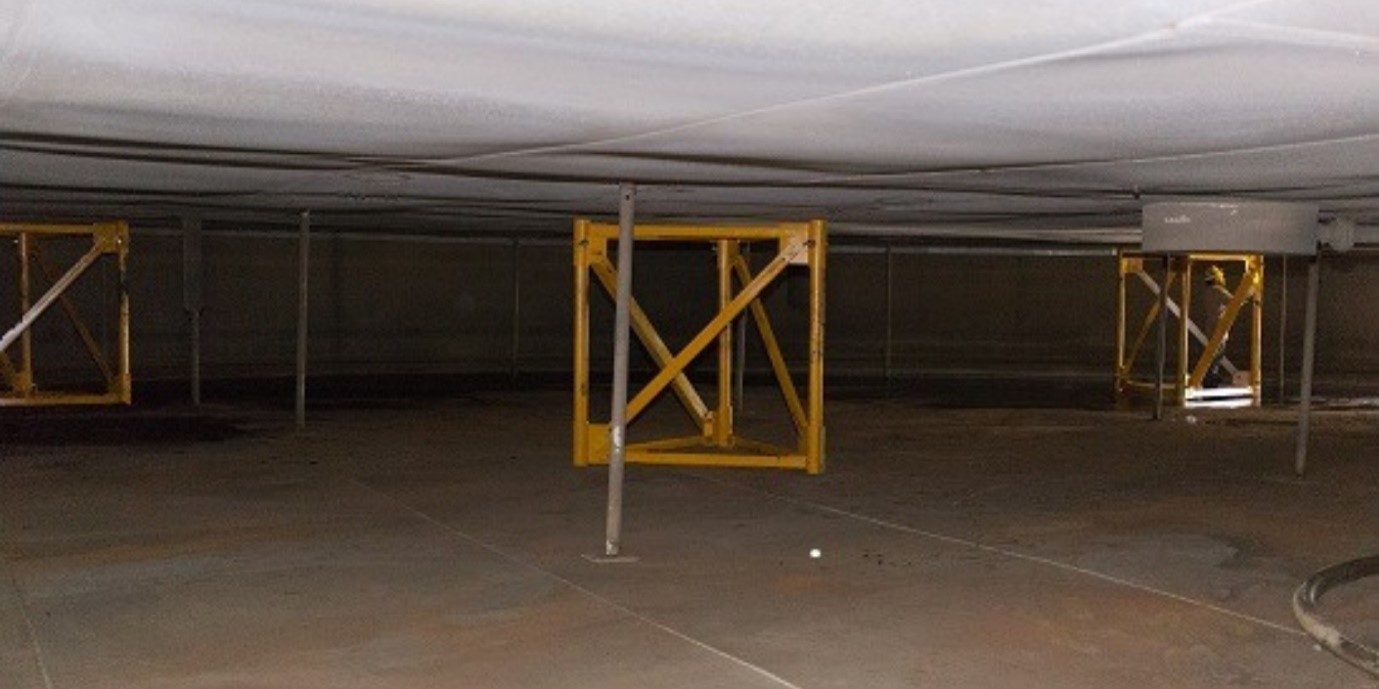
The way companies handle tank maintenance is going through a massive change. For decades, crews relied on big piles of heavy wood blocks to keep floating roofs steady during inspections. This old-fashioned approach forces teams to build large wood stacks by hand, creating an unsteady environment inside a tight space. Today, safety managers realize that relying on basic lumber creates major risks for their budgets and their people. Upgrading to engineered industrial cribbing solutions is quickly becoming the new standard for facilities that want to remove guesswork and replace it with true safety.
The High Cost of Old Wood Blocks
Why are companies moving away from traditional wood stacking so quickly? The reason comes down to the hidden labor expenses that drain a project budget. Wood looks cheap when you buy it, but it requires a huge amount of hard manual labor to handle.
During a typical inspection, a work crew must build, tear down, and rebuild wood configurations between ten and fifteen times. Every single move requires hours of exhausting physical work just to let inspectors see a new patch of the tank floor. This constant moving delays other important maintenance tasks, keeping your tank offline for weeks.
Why Real Strength Matters Inside a Tank
Working beneath a heavy floating roof is one of the most dangerous jobs in a facility. Floating roofs can experience sudden, violent shifts or twisting motions without any warning. When a roof begins to turn or slide, a simple pile of wooden blocks offers no real strength against side-to-side forces.
The shifting weight easily knocks the wood over, causing a complete collapse of the roof. Furthermore, solid blocks of wood leave workers with no place to run or hide. True protection requires an open, hollow steel frame that acts as a secure shelter zone during a failure, keeping your workers completely safe from the crushing weight above.
The Dangers of Using Regular Scaffolding
As facilities look for ways to stop using wood, some mistakenly turn to light metal scaffolding as a quick fix. These systems are often marketed as cheap, easy ways to manage an internal floating roof shoring project. However, regular scaffolding is never built to support the extreme weight of a twisting steel roof.
These unproven systems are not tested to handle sudden side-to-side roof movements. If the roof starts to shift, the immense pressure will easily bend and crush light metal poles. Relying on the wrong equipment creates a false sense of security while creating massive risks for your field technicians.
Protecting the Environment and Cutting Cleanup Costs
Dealing with environmental waste is another area where modern steel towers provide a massive advantage over wood. When wood blocks sit on a dirty tank floor for weeks, they act just like giant sponges. They soak up oil, chemicals, and toxic sludge.
Once the inspection ends, the facility faces the costly burden of throwing away thousands of pounds of contaminated wood waste. Getting rid of this toxic material requires strict regulatory paperwork and leads to high landfill fees. High-strength steel towers completely solve this problem because smooth metal surfaces do not absorb liquids. Crews can easily wash the steel components down right inside the tank, allowing you to pack them up for immediate reuse without creating any hazardous waste.
Taking Control of Your Project Schedule
Can a project manager truly predict a maintenance schedule down to the hour? They can when they get rid of manual steps that rely on human speed. Stacking wood logs by hand is highly inconsistent and depends entirely on how fast a crew can work on any given day.
Engineered steel towers fit together perfectly every single time using simple pins and adjustable legs. This consistency allows managers to schedule cleaning crews, inspectors, and repair teams with absolute confidence. Shaving fifteen to eighteen days off a standard inspection window keeps your project moving forward without any unexpected delays or costly schedule overruns.
Frequently Asked Questions
- How do steel towers handle the heavy weight of a failing roof if it shifts sideways? Engineered steel towers are built with high-strength metal frames that directly resist side-to-side forces. Unlike wood stacks that slide apart when pushed sideways, these steel towers use strong locking pins and a solid base to stay completely upright without tipping over.
- Why can regular construction scaffolding not be used as a cheaper choice? Standard scaffolding is only made to hold workers and light tools, so it does not have the thick steel needed for heavy structural support. It has no testing for sudden roof shifts, making it highly likely to bend and collapse if a heavy roof moves even a few inches.
- How do crews clean and decontaminate the steel towers before using them in another tank? Because high-strength steel is completely solid, it cannot soak up oil or hazardous chemicals. Crews simply spray them down with a standard pressure washer right on the tank floor, making the steel towers perfectly clean and ready for immediate reuse.
- How does replacing wood blocks with steel towers create more working space inside the tank? Solid wood stacks take up a massive amount of floor space to stay steady, blocking large areas of the tank floor from view. Steel towers use a slim, vertical design with an open frame, giving inspectors a clear view of the tank bottom without needing to move the equipment.
- Can adjustable steel towers handle uneven or sloped tank floors? Yes, modern steel towers feature heavy-duty adjustable legs that allow crews to level each tower easily. This adjustment ensures a perfectly straight, steady support system even if the tank floor is warped, sloped, or uneven.
Final Remarks
Choosing modern equipment is the single best way to eliminate the safety risks and high costs of traditional tank maintenance. Sticking with outdated wood stacking or relying on basic scaffolding creates major risks that can easily ruin your project budget. By switching to certified steel structures, we protect our workforces from sudden accidents while driving incredible speed back into our operations. At Delta P Technology, we provide these exact high-strength, adjustable cribbing towers that have successfully protected forty-three lives during real-world roof failures. Our patented steel structures completely replace dangerous wood stacking, helping us shorten inspection times by up to eighteen days while making sure every single technician returns home safely. Let us upgrade your next project with engineered certainty.
Contact Delta P Technology today to secure your cribbing tower systems.