How Modern Temporary Floating Roof Support Changes Tank Maintenance
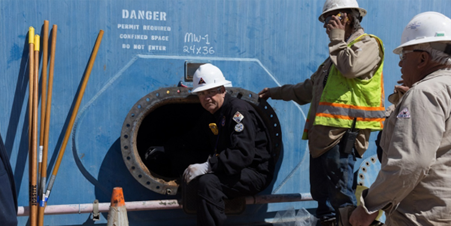
Tank maintenance is never easy. Crews spend long hours inside storage tanks during cleaning, inspection, and repair work. Most of that work happens under a floating roof. Because of that, safe and efficient roof support is vital during the entire project.
Years ago, many maintenance crews used wood cribbing to support floating roofs. Workers had to stack wood pieces and move them again and again during the job. That process wasted hours of valuable time and created extra labor costs inside the tank.
Today, many facilities use modern temporary floating roof support systems because they help crews work safer and faster. Modern support systems drastically reduce project delays during shutdown projects, directly cutting down tank downtime and protecting the facility’s bottom line.
Tank Maintenance Has Changed
Storage tanks face damage over time. Rust, corrosion, and worn surfaces can create problems after years of use. Regular maintenance helps crews repair those areas before the damage becomes worse.
Maintenance work usually takes place inside confined spaces. Workers carry tools, hoses, and repair equipment inside the tank during the project. That work becomes harder and much more expensive if the roof does not stay stable.
Older support methods often slowed the project because crews spent too much time adjusting support materials. Workers had to stop the job many times just to rebuild support stacks, lengthening the overall timeline and delaying when the tank could return to generating revenue. Modern systems help remove that problem, letting crews focus directly on inspections and repairs.
The Problem With Old Support Methods
Traditional roof support methods created many problems during maintenance work. Wood cribbing required constant adjustment, meaning workers had to lift heavy materials and rebuild support stacks many times throughout the day.
That process created several major bottlenecks:
- Slow setup times that dragged out the project timeline
- Extra manual labor that inflated total project costs
- Worker fatigue and crowded work areas
- Extended tank downtime, keeping the asset offline for too long
- Loss of daily storage revenue while the tank sat empty and unproductive
Long shutdown projects became even harder because crews lost valuable time handling support materials. Facilities faced higher labor costs and steeper revenue losses because workers spent unnecessary hours inside the tank.
Why Roof Stability Matters
Roof stability is important during every stage of tank maintenance. Workers need a safe area while performing inspections and repairs, and inspectors need clear access inside the tank so they can check damaged surfaces and welds.
A stable roof helps create safer working conditions, which directly translates to saving time. Poor roof support can slow the project, create stress for crews, and cause costly delays. Good support systems help workers stay focused on the job, allowing supervisors to manage the project more smoothly and keep the schedule on track.
Safer Work for Tank Crews
Safety is one of the biggest reasons facilities now use modern support systems. Older methods required workers to lift and move support materials many times during the project, creating extra strain during long shifts.
Modern systems reduce much of that manual work. Workers spend less time moving heavy materials and more time completing inspections and repairs. This change helps reduce fatigue and minimizes the risk of costly workplace injuries.
Furthermore, modern systems help create cleaner, more organized work areas. Workers and rescue teams benefit from better access, which streamlines operations and cuts down on wasted hours inside the tank.
Faster Projects and Saved Tank Downtime
Every facility wants tanks returned to service as quickly as possible. Long shutdown periods directly affect operations and increase overhead. Older support methods often slowed projects because crews spent too much time adjusting cribbing during the work.
Modern support systems are designed to maximize time savings. Crews can begin inspection and repair work faster because setup takes a fraction of the time. Easier adjustments also help the project continue without constant interruptions. As a result, facilities drastically reduce tank downtime, allowing the asset to get back to operational status much sooner.
Protecting Daily Storage Revenue
When an industrial storage tank is offline, it isn’t just a maintenance expense—it is a major source of lost income. Every day a tank sits empty represents a substantial loss of daily storage revenue.
Financial Impact: Traditional maintenance methods can extend a shutdown by days or even weeks. By utilizing modern engineered roof supports, facilities accelerate the turnaround schedule.
Saving days on the project timeline means stopping the bleeding of lost revenue, allowing the facility to resume storing product and fulfilling contracts without prolonged interruptions.
Better Access During Inspection
Good inspection work depends on clear access inside the tank. Inspectors need enough space to move safely while checking surfaces, welds, and damaged areas.
Modern support systems improve access throughout the tank interior by eliminating bulky wood stacks. Because the work area stays clean and organized, inspectors can reach difficult areas faster. Better access leads to faster, more accurate inspection results. Crews can identify problems early, complete repairs efficiently, and avoid the unexpected timeline extensions that drive up costs.
Less Labor and Reduced Project Costs
Tank maintenance already requires hard physical work. Older support methods added an unnecessary labor burden because workers had to move and rebuild support stacks throughout the project.
Modern systems help eliminate this waste, resulting in direct financial savings:
- Fewer Man-Hours: Less time spent adjusting supports means fewer billable hours on the project.
- Optimized Labor: Crews focus 100% of their energy on actual repair and inspection work.
- Lower Overall Budget: Shorter project durations mean reduced contractor expenses and lower overall project costs for the facility.
Why Facilities Use Modern Systems
Many facilities now prefer modern roof support systems because they improve both safety and bottom-line efficiency.
Modern systems help provide:
- Significant time savings during setup and tear-down
- Substantial cost savings by reducing manual labor demands
- Minimized tank downtime to keep operations moving
- Protection of daily storage revenue through faster turnaround times
- Better access during inspections and more organized work areas
Facilities want maintenance projects completed safely, on time, and within budget. Modern support systems help crews meet those financial and operational goals more easily.
The Future of Tank Maintenance
The tank maintenance industry continues to evolve as facilities put a sharper focus on economic efficiency and safety. While older methods still appear on some projects, operators are rapidly shifting toward engineered systems because they prevent costly project delays, save money, and improve working conditions.
The future belongs to systems that optimize project speed while protecting the workforce, helping facilities secure their daily revenue streams through smarter maintenance operations.
Final Thoughts
Tank maintenance requires safe working conditions, stable roof support, and careful planning. Older support methods often create extra labor, longer downtime, and a loss of daily storage revenue. Modern systems help crews work more safely while improving inspection access, saving time, and drastically reducing project costs.
At Delta P Technology, we provide advanced roof stabilization systems designed to support safer, faster, and more cost-effective maintenance operations. Our solutions help crews reduce manual labor, minimize tank downtime, and protect daily storage revenue using dependable Temporary floating roof supports built for demanding industrial work.
Frequently Asked Questions
- How do old roof support methods increase tank downtime?
Older methods require repeated lifting and rebuilding of cribbing during the project. This repetitive process wastes valuable hours, extending the total time the tank must remain offline.
- In what ways do modern support systems offer cost savings?
They dramatically reduce the manual labor hours required to manage the roof support. Fewer man-hours mean lower labor costs and reduced contractor expenses for the facility.
- How does modern roof support protect daily storage revenue?
By speeding up the setup, inspection, and repair phases, modern systems get the tank back into service faster. This minimizes the period where the tank is offline, protecting the facility from losing daily storage revenue.
- Why is roof stability important for saving time during inspections?
A stable roof ensures inspectors can move safely and without interruption. It provides better access to tank surfaces, allowing crews to find and repair problems quickly without delaying the project.
- Why are more facilities investing in engineered roof support systems?
Facilities use them to achieve a faster project turnaround, minimize tank downtime, cut labor costs, and prevent the revenue losses associated with traditional, slower maintenance methods.