
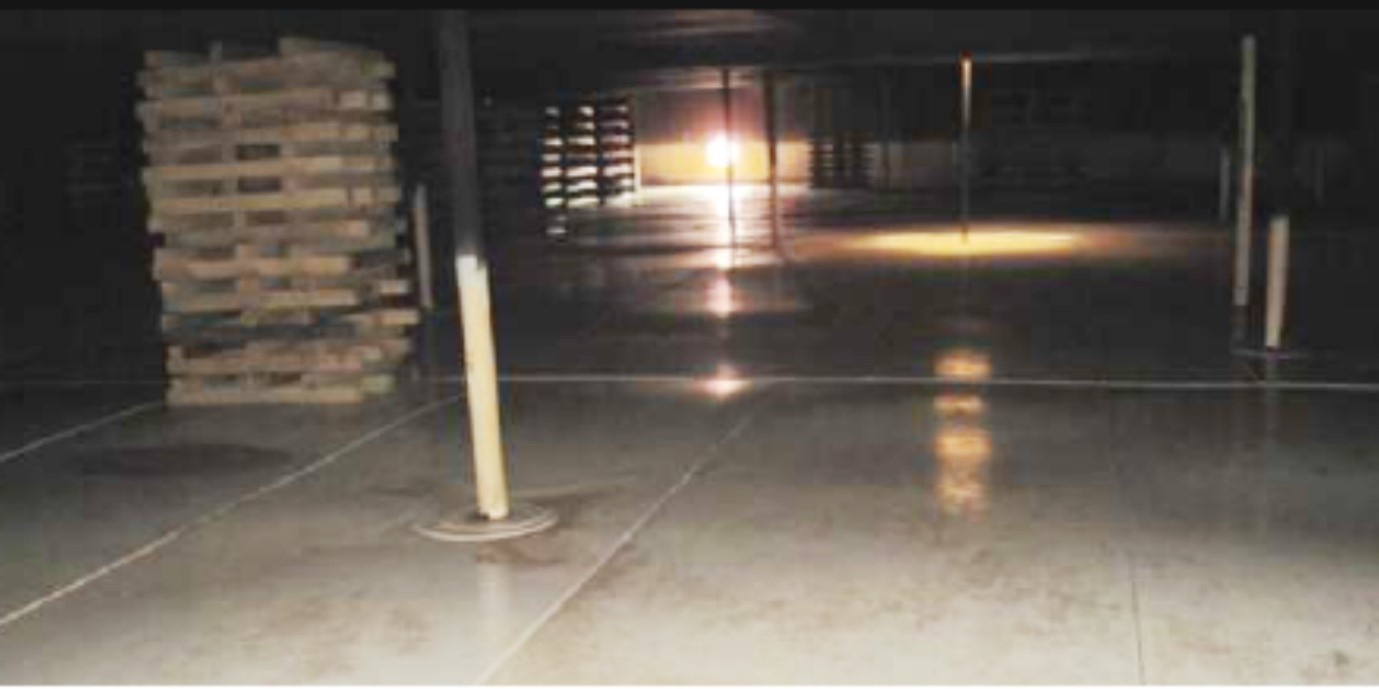
When an industrial oil tank goes down for a planned inspection, every single hour matters. The main goal is always to get the tank clean, checked, and back into service without wasting time. Yet, many facilities still rely on an old, slow method to hold up the heavy roof while people work underneath. Stacking thousands of pounds of rough wood logs by hand turns a simple safety step into a major roadblock. Choosing a modern floating roof repair support setup is the fastest way to stop these costly delays, keeping your project on track and your workers safe.
The Real Price of Lost Storage Space
Every day a large product tank sits empty is a day it stops earning money for your facility. Many companies only look at the cost of the repair crew, completely missing the bigger financial picture.
If your tank maintenance runs over schedule by just a few days, the loss of daily storage revenue can quickly add up to a massive financial penalty. The speed of your roof support equipment directly controls the timeline of the whole inspection. Moving quickly is the best way to protect your operating budget.
Why Does Lumber Slow Down Your Entire Schedule?
- Endless Re-stacking Tasks: Crews have to build, take apart, and rebuild wood blocks ten to fifteen times so inspectors can see different areas of the floor.
- Wasted Inspection Time: Highly paid inspection teams end up sitting around waiting while workers manually haul heavy wood piles out of the way.
- Blown Project Deadlines: This slow, repetitive manual labor easily adds two to three weeks of extra downtime to a standard inspection window.
The Dangers of Relying on Weak Support Frameworks
What happens when a team tries to get rid of wood but uses regular construction scaffolding instead? Some people assume that any metal frame is automatically better and faster for a project.
Regular scaffolding is built only to hold up people and small hand tools, meaning it lacks the thick metal walls needed to hold up thousands of pounds of steel. These unproven systems offer zero protection if a heavy roof begins to shift or twist sideways. If a roof slides and crushes an unrated frame, the resulting equipment damage and legal fines will completely wipe out any minor rental savings.
Can Engineered Steel Prevent Costly Safety Catastrophes?
- Built-In Shelter Zones: Specialized steel towers feature a wide, open frame that lets workers step directly inside the hollow center if a roof drops.
- True Structural Strength: The heavy-duty steel columns catch and hold the full weight of a falling roof perfectly, stopping tragic injuries on the spot.
- Zero Liability Claims: This real-world safety engineering protects your team from accidents while keeping your business safe from massive lawsuits and fines.
Wiping Out Hidden Toxic Waste Disposal Costs
Dealing with hazardous waste is another area where project costs can quickly get out of hand. When old-fashioned wood blocks sit on a messy tank floor for weeks, they act just like a giant sponge, soaking up oil, chemicals, and toxic sludge.
Opting for a certified floating roof safety shoring system eliminates these extra expenses through smart material choices. The high-strength steel surfaces are completely solid, meaning they cannot absorb liquids or oils. Crews can quickly spray and wash the metal parts right inside the tank. Clean steel parts are packed up and used again on the next project, completely cutting out expensive landfill fees and toxic waste paperwork.
Frequently Asked Questions
- How do steel towers stop a floating roof from twisting during leg repairs? The steel towers use strong locking pins and a wide base that completely stops side-to-side movement, keeping the roof perfectly level even when individual legs are removed.
- Why can standard construction scaffolding not be used inside a storage tank? Regular scaffolding uses thin metal tubes designed only for light weight, meaning it will instantly buckle and crush under the massive weight of a shifting steel roof plate.
- What is the setup time difference between wood blocks and steel towers? Steel towers can be rolled or slid across the tank floor in just a few minutes without being taken apart, cutting out the slow rebuilding cycles required by lumber.
- Can these adjustable steel support towers work on sloped or warped tank floors? Yes, each tower has heavy-duty adjustable legs that allow crews to level the top perfectly, ensuring a steady support system on any uneven surface.
- How does the open frame design of steel towers speed up the inspection process? Solid wood blocks hide large parts of the floor, but the open design of steel towers lets inspectors see right through the equipment, keeping floor testing fast and accurate.
The Final Word
Look at your next tank turnaround from a new angle. True efficiency is not about finding the cheapest materials; it is about using smart, reliable equipment that completely removes wasted days from your schedule. Relying on ancient wood stacking or flimsy scaffolding is a gamble that creates long delays and serious safety risks. Upgrading to engineered steel support towers changes everything, giving you a predictable timeline and complete peace of mind. Our team at Delta P Technology handles these exact challenges with our patented, adjustable steel cribbing towers. These heavy-duty structures have held up falling roofs and saved forty-three lives in real-world tank failures. By replacing slow wood methods with our fast, reusable steel towers, you can shave up to eighteen days off your project timeline, eliminate toxic waste fees, and ensure every single worker walks out of the tank safely.
Get in touch with Delta P Technology today to upgrade your tank safety equipment.